
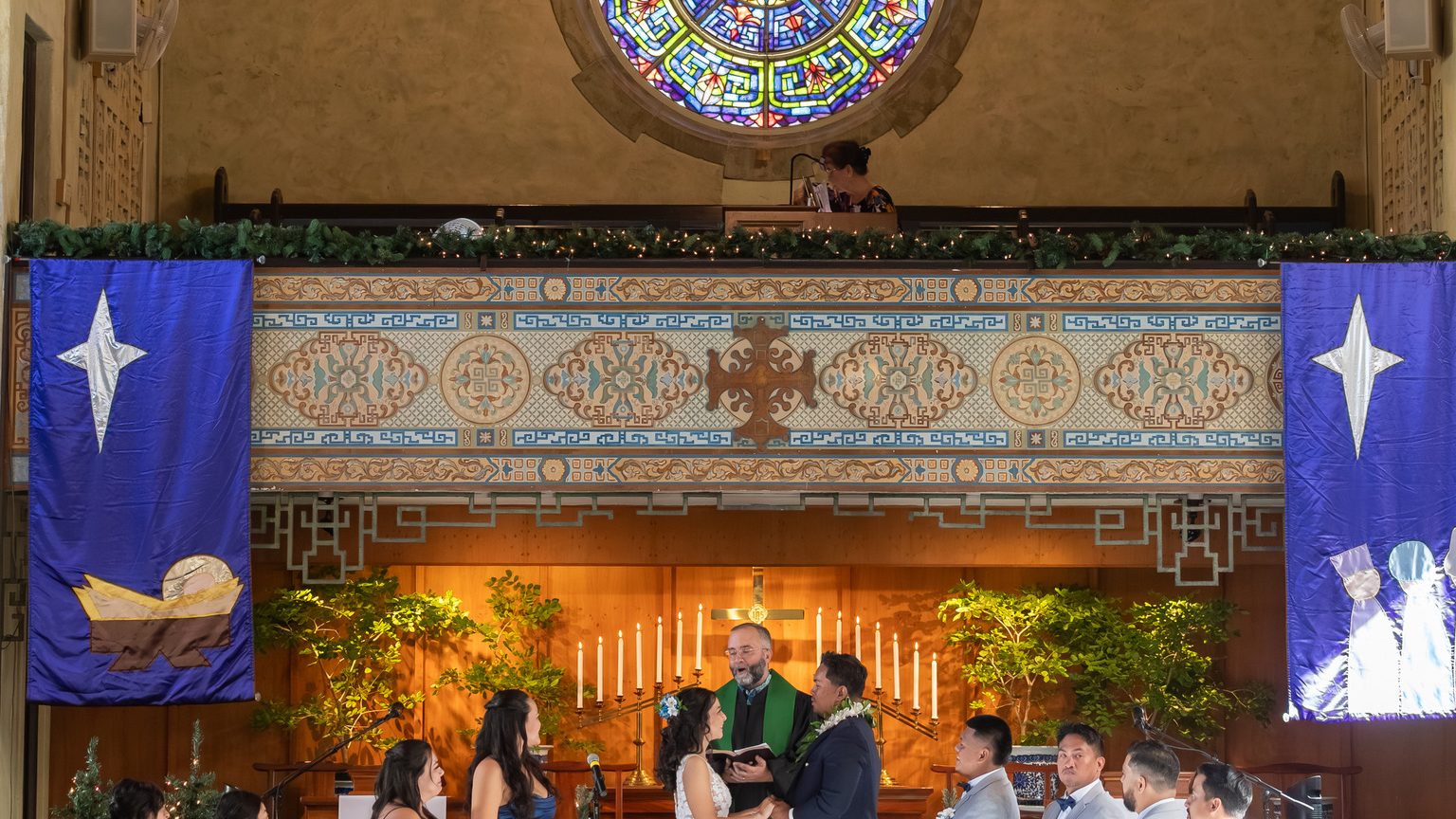
When a couple begins planning their wedding, they usually have a clear vision for the reception, the food, and the venue. But when it comes to the actual ceremony—the thirty minutes where the marriage is actually established—many couples feel entirely unsure of what to do.
You do not need to invent a ceremony from scratch. For centuries, the Christian church has used a structured order of service (a liturgy) to guide couples through this solemn moment. A clear structure removes the anxiety of wondering what happens next, allowing you to remain fully present and focused on the vows you are making before God.
If you are currently planning your ceremony, here is a standard, time-tested Christian wedding order of service you can use as a template.
The Prelude and Processional
The service begins before anyone says a word.
- The Prelude: As guests arrive and take their seats, instrumental music or soft worship songs are played. This sets a reverent, joyful atmosphere, signaling that this is a worship service.
- The Processional: The official start of the wedding. The pastor and the groom usually take their places at the front first. Then, the bridal party walks down the aisle, followed finally by the bride (often escorted by her father or parents).
The Welcome and Invocation
Once everyone is in place, the pastor formally opens the service.
- The Welcome: The pastor welcomes the guests, acknowledges the importance of the day, and briefly explains the biblical purpose of marriage.
- The Invocation: A deeply important moment. The pastor leads the congregation in an opening prayer, explicitly asking God to be present, to bless the couple, and to be glorified in the ceremony.
Scripture Readings and the Pastoral Message
Because a Christian wedding is a worship service, the Word of God must be central.
- Scripture Readings: One or two brief passages of scripture are read. This can be done by the pastor, or you can invite a close friend or family member to read. (Common choices include Ephesians 5, 1 Corinthians 13, or Colossians 3).
- The Homily (The Message): The pastor delivers a short, 5-to-10 minute message. The goal is not to give a long lecture, but to encourage the couple, explain the gospel, and remind them that their vows require God’s sustaining grace.
The Vows and Exchange of Rings
This is the core of the ceremony—the moment the covenant is made.
- The Declaration of Intent: The pastor asks the couple if they are coming freely to be married. (This is the traditional “I do” moment).
- The Vows: The couple turns to face one another, holding hands, and makes their lifelong promises. You can use traditional vows or write your own, provided they reflect the biblical standard of unconditional commitment.
- The Exchange of Rings: The rings are presented and placed on each other’s fingers as a visible, permanent physical reminder of the unseen spiritual covenant just made.
The Pronouncement and Benediction
The legal and spiritual transition is completed.
- The Pronouncement: By the authority vested in the pastor by the state and the church, the pastor publicly declares that the couple is now husband and wife. (This is when the couple shares their first kiss as a married couple).
- The Benediction: Before the couple leaves, the pastor prays a final prayer of blessing over their new family, asking for God’s peace and protection over their home.
The Recessional
The ceremony concludes with joy and celebration. Upbeat music plays, and the newly married couple walks back up the aisle together, followed by the bridal party.
Planning Your Ceremony
You are welcome to customize this structure by adding a moment of congregational worship, taking communion, or including a special prayer with your parents. However, keeping this core structure ensures your ceremony remains organized, respectful, and clearly focused on Jesus Christ.
If you are planning a wedding on Oahu and need a pastor to help you structure your ceremony and lead your premarital counseling, I am available to help.

